⚡ 30-Second Executive Fast Briefing
- U.S. Navy forces engaged three Iranian tankers following direct threats to American assets.
- The strikes occurred amidst ongoing tensions over international shipping and oil sanction enforcement.
- Pentagon officials remain on high alert for potential retaliatory actions in the Persian Gulf.
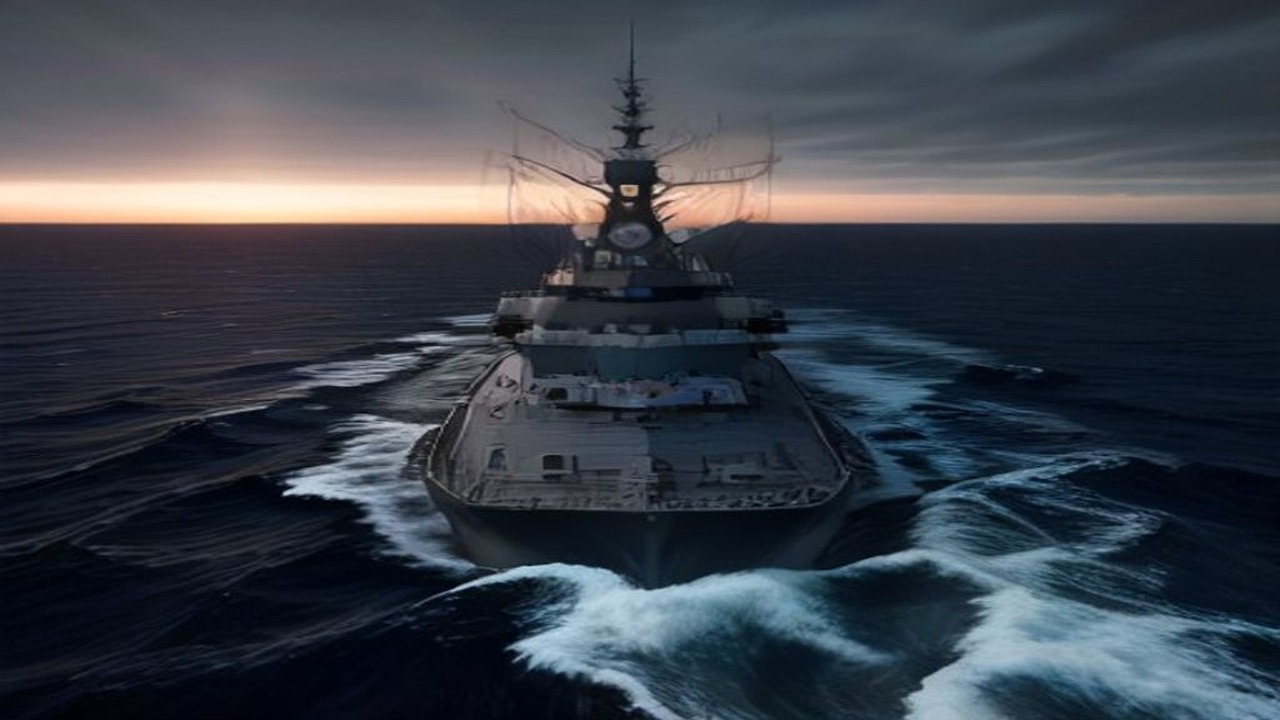
U.S. military forces conducted retaliatory precision strikes against three Iranian oil tankers in the after-missiles-ta-ca/" class="gni-auto-link" title="U.S. strikes 3 Iranian oil tankers after missiles target Navy ships" rel="bookmark">Persian Gulf today, according to Pentagon officials. The engagement followed an aggressive maneuver by Iranian assets that directly targeted U.S. Navy vessels operating in the region. The strikes mark a significant escalation in maritime tensions, as Washington reaffirms its commitment to protecting vital global shipping lanes from persistent regional interference.
Maritime Security and Economic Stakes
The incident follows weeks of heightened friction concerning illicit petroleum exports and regional security protocols. Military analysts report that the targeted tankers were allegedly engaged in sanctioned operations violating international maritime law. With the Persian Gulf serving as the world’s most critical maritime chokepoint, the deployment of naval force reflects growing U.S. intolerance for asymmetrical threats, particularly as global energy markets react to potential supply chain disruptions linked to the ongoing naval standoff.
Strategic Outlook and Regional Stability
Observers should monitor the potential for Iranian retaliation, specifically via proxy groups or asymmetric naval tactics in the Strait of Hormuz. The Pentagon remains on high alert, with additional carrier strike groups positioned to provide deterrence. Future diplomatic communication channels will be essential to preventing a full-scale regional conflict, as intelligence agencies evaluate the immediate impact of these strikes on Iranian maritime infrastructure and future logistical operations.
Incident Timeline & Key Milestones
U.S.
U.S.
Maritime Security and Economic Stakes
Maritime Security and Economic Stakes
Strategic Outlook and Regional Stability
U.S.
Public Queries: 5W1H Questions & Brief Answers
What triggered the U.S. military intervention?
The strikes were a direct response after Iranian assets targeted U.S. Navy vessels operating in the region.
Where exactly did this naval confrontation occur?
The engagement took place in the Persian Gulf, a critical chokepoint for international energy transit.
Why are these tankers being targeted by the U.S.?
The tankers were allegedly involved in illegal oil exports and aggressive maneuvers against international naval forces.
What is the primary concern for regional observers?
The primary concern is the potential for rapid escalation into a larger maritime conflict that could threaten global oil supplies.
US Strikes Iranian Tankers After Attack on US Warships
• The U.S. Navy launched targeted strikes against three Iranian tankers following a series of direct provocations against American warships in the region. • This military escalation marks a significant response to threats posed by Iranian vessels, signaling a firm stance by the U.S. to protect its naval assets and maritime security. • Tensions in the area remain high as officials assess the impact of the strikes and monitor for potential retaliatory actions from Iranian forces, raising concerns about broader regional instability.
👤 Strait of Hormuz
strait in the eastern Persian Gulf
"The Strait of Hormuz is a waterway between the Persian Gulf and the Gulf of Oman. On the north coast lies Iran, and on the south coast lies the Musandam Peninsula under the Musandam Governorate of Oman, with a portion of the southwest of the peninsula under the United Arab Emirates (UAE). The strait is about 104 miles long, with a width varying from about 60 mi to 24 mi."