⚡ 30-Second Executive Fast Briefing
- Labor Day in the U.S. occurs annually on the first Monday of September.
- The holiday originated from the labor movement of the late 19th century to honor workers' contributions.
- Financial analysts view the holiday weekend as a key indicator for consumer retail performance.
As the United States prepares to observe Labor Day on the first Monday of September, federal agencies and public institutions are finalizing closure schedules. The holiday, occurring this year on September 2, serves as a nationwide tribute to the contributions and achievements of American workers, marking the traditional end of the summer season and a critical turning point for the U.S. labor market.
Economic Legacy and Historical Origins
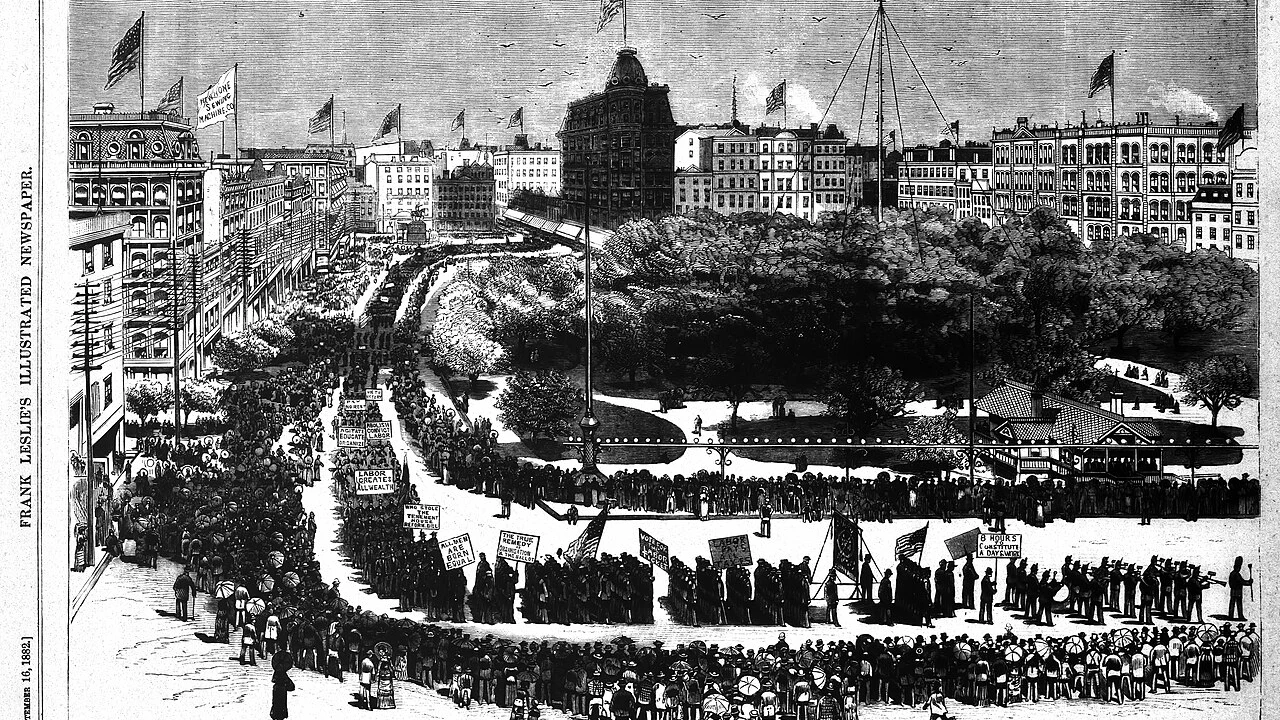
Established as a federal holiday in 1894 following the Pullman Strike, Labor Day honors the social and economic triumphs of the American labor movement. It was created to recognize the strength, prosperity, and laws forged by trade unions. Today, the holiday remains a pivotal period for retailers and analysts, who monitor consumer spending patterns as a bellwether for fourth-quarter economic health and broader national output trends.
Strategic Outlook for Labor Markets
Observers should monitor upcoming Bureau of Labor Statistics reports post-holiday, as they often reflect shifts in hiring sentiment. While the day is historically characterized by public parades and community events, the underlying focus remains on current industrial relations and the evolving nature of the American workforce. Stakeholders are advised to watch for policy signals from Washington regarding labor standards that may influence long-term national productivity benchmarks.
Incident Timeline & Key Milestones
As the United States prepares to observe Labor Day on t...
As the United States prepares to observe Labor Day on the first Monday of September, federal agencies and public institutions are finalizing closure schedules.
Economic Legacy and Historical Origins
Economic Legacy and Historical Origins
Strategic Outlook for Labor Markets
As the United States prepares to observe Labor Day on the first Monday of September, federal agencies and public institutions are finalizing closure schedules.
Public Queries: 5W1H Questions & Brief Answers
When is Labor Day observed in the United States?
It is officially observed on the first Monday of September every year.
Why was Labor Day established as a national holiday?
It was created to honor the social and economic achievements of the American labor movement and union workers.
Who signed Labor Day into law?
President Grover Cleveland signed it into law in 1894 following the unrest caused by the Pullman Strike.
The History of Labor Day
Here is the briefing on the history of Labor Day: • Labor Day originated in the late 19th century as a tribute to the contributions and achievements of the American labor movement, officially becoming a federal holiday in 1894. • The holiday was established following the intense labor unrest of the Industrial Revolution, specifically sparked by the Pullman Strike and the need to appease workers. • Today, while it serves as the symbolic end of summer, the day remains a vital recognition of the social and economic advancements secured by unions for the modern American workforce.
👤 Labor Day
celebration in the international labour movement on May Day
"Labor Day is a federal holiday in the United States celebrated on the first Monday of September to honor and recognize the American labor movement and the works and contributions of laborers to the development and achievements in the United States."