⚡ 30-Second Executive Fast Briefing
- South Korea has sent an investigative team to assess safety in the Strait of Hormuz.
- The mission is critical for securing vital oil imports and maintaining energy supply chain stability.
- Diplomatic balancing acts are required to navigate geopolitical friction in the Middle East.
South Korea has officially dispatched a specialized investigative delegation to the Strait of Hormuz following recent maritime security incidents involving commercial vessels. Seoul’s Ministry of Foreign Affairs confirmed the mission aims to verify the safety of maritime corridors, which remain critical arteries for the nation’s energy imports. This deployment marks a high-stakes pivot in South Korea’s Middle East diplomatic strategy as regional tensions continue to impact global shipping lanes.
The Economic Stakes of Regional Instability
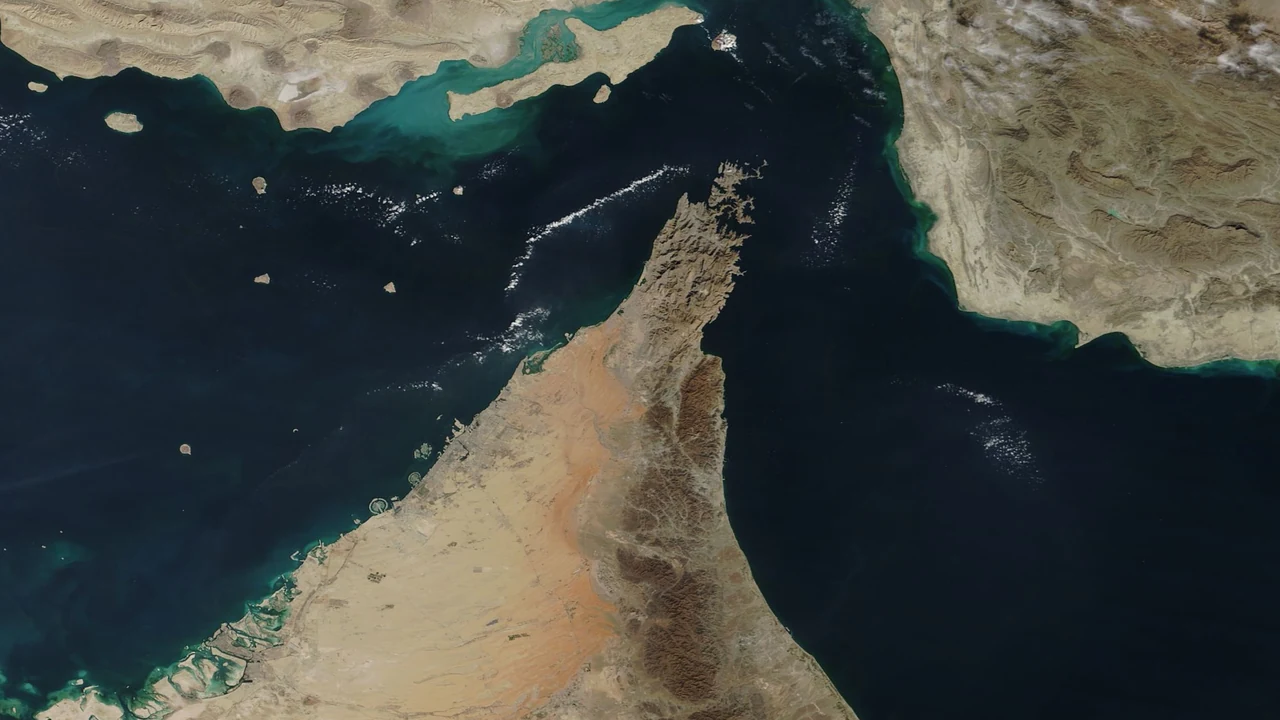
The Strait of Hormuz is the world’s most important oil transit chokepoint, with roughly 20-30% of global oil consumption passing through the narrow passage daily. For South Korea, a top-tier energy importer heavily dependent on Middle Eastern crude, any disruption represents an existential economic risk. Official data suggests that even minor escalations in this maritime region lead to immediate fluctuations in domestic fuel pricing and supply chain reliability for the country’s manufacturing sector.
What Observers Should Monitor Next
Observers are closely watching for the delegation’s report on local security protocols and potential diplomatic friction with regional powers. The primary concern remains the vulnerability of South Korean-flagged tankers and the potential need for increased naval presence in the future. As Seoul navigates this delicate balance, the mission’s findings will dictate whether the government increases its permanent maritime intelligence footprint or scales back to prioritize non-military diplomatic engagement with coastal states.
Incident Timeline & Key Milestones
Security Incident Reported
Regional maritime activity triggers official concern over commercial vessel safety.
Delegation Dispatch
South Korea officially deploys an investigative team to evaluate current waterway security.
Strategic Assessment
The team prepares an official report to determine future naval and diplomatic responses.
Public Queries: 5W1H Questions & Brief Answers
Why is South Korea sending investigators?
To assess the safety of energy corridors critical to the national economy following regional maritime instability.
Who is involved in the mission?
The South Korean Ministry of Foreign Affairs and assigned maritime security specialists.
Where is the delegation stationed?
The delegation is operating near the Strait of Hormuz to evaluate vessel transit conditions.
What is the primary risk factor?
Potential disruptions to the supply of crude oil and liquefied natural gas imports.
「深刻な結果招く」と韓国語で牽制 ホルムズ海峡に派兵検討でイラン外務省SNS投稿(2026年9月7日)
Here is the briefing for the news video: • Iran’s Foreign Ministry issued a stern warning via social media, cautioning South Korea against deploying troops to the Strait of Hormuz, citing potential "grave consequences." • The diplomatic tension arises as South Korea considers joining international efforts to secure the vital waterway, a move Iran views as a provocative escalation. • The situation highlights growing concerns over energy security, as the Strait of Hormuz remains a critical chokepoint for global oil supplies, leaving South Korea caught between strategic alliances and the risk of regional instability.
👤 Strait of Hormuz
strait in the eastern Persian Gulf
"The Strait of Hormuz is a waterway between the Persian Gulf and the Gulf of Oman. On the north coast lies Iran, and on the south coast lies the Musandam Peninsula under the Musandam Governorate of Oman, with a portion of the southwest of the peninsula under the United Arab Emirates (UAE). The strait is about 104 miles long, with a width varying from about 60 mi to 24 mi."