
⚡ 30-Second Executive Fast Briefing
- Labor Day in North America occurs on the first Monday of September, distinct from the May 1st global standard.
- The holiday originated in 1882 to honor the American workforce and was codified into federal law in 1894.
- The date serves as a major economic indicator for late-summer consumer spending and the beginning of the autumn fiscal cycle.
As global markets observe Labor Day, citizens across the United States and Canada pause today to commemorate the historical achievements of the labor movement. Unlike the majority of the world, which observes International Workers’ Day on May 1st, North American nations mark this federal holiday on the first Monday of September, honoring the socio-economic contributions of workers to the prosperity and strength of the modern state.
Historical Context and Economic Roots
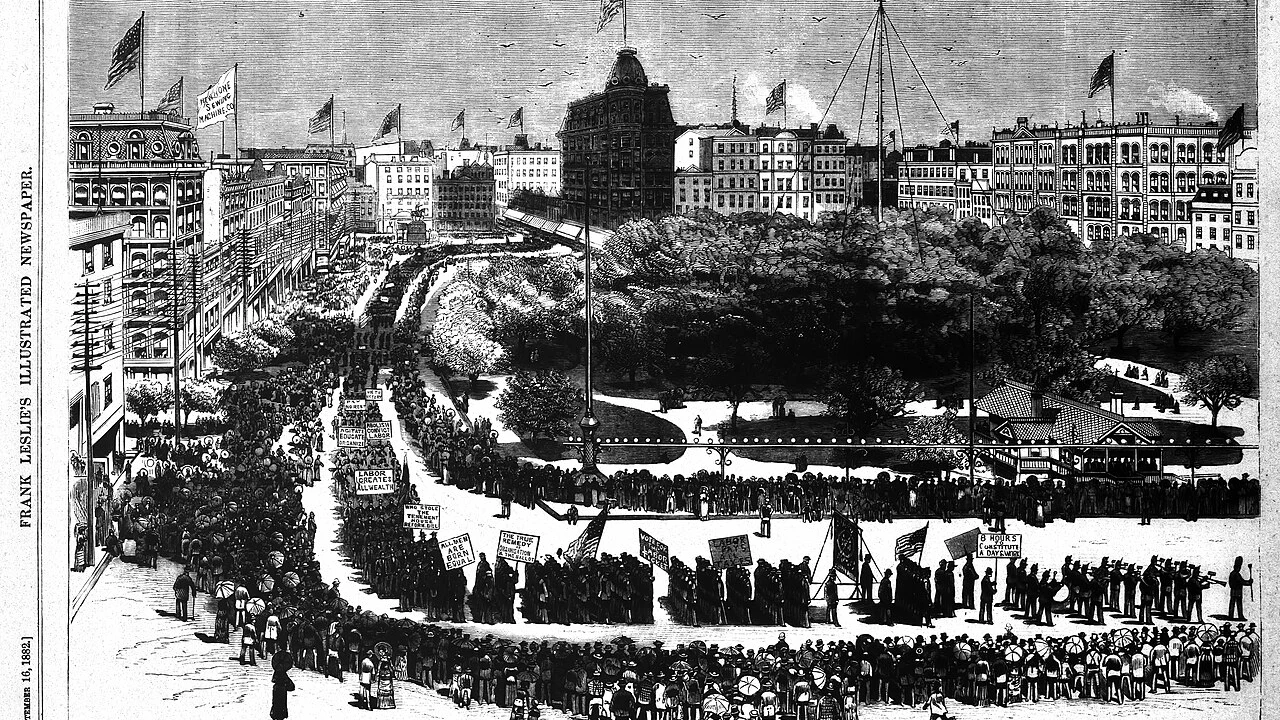
The origins of Labor Day trace back to the intense industrial climate of the late 19th century. Proposed by the Central Labor Union in 1882, the holiday was established to celebrate the dignity of the American workforce. It gained federal recognition in 1894 following the Pullman Strike, a pivotal moment in US labor history. Today, the day serves as a critical barometer for consumer spending patterns and the unofficial conclusion of the summer commercial season.
Future Outlook and Market Impact
Economists are closely monitoring post-holiday retail data as an indicator of broader consumer confidence heading into the final quarter. While the day remains a symbolic tribute to labor unions and historical advocates, it has evolved into a significant driver for the travel and hospitality sectors. Observers should track shifts in employment legislation and wage growth trends that typically garner renewed public discourse during this annual period of national reflection.
Incident Timeline & Key Milestones
As global markets observe Labor Day, citizens across th...
As global markets observe Labor Day, citizens across the United States and Canada pause today to commemorate the historical achievements of the labor movement.
Historical Context and Economic Roots
Historical Context and Economic Roots
Future Outlook and Market Impact
As global markets observe Labor Day, citizens across the United States and Canada pause today to commemorate the historical achievements of the labor movement.
Public Queries: 5W1H Questions & Brief Answers
When is Labor Day held in the US and Canada?
It is observed annually on the first Monday of September.
Why was Labor Day created?
It was established to honor the contributions and achievements of the American labor movement and the workforce.
What is the primary economic significance of the holiday?
It marks the end of the summer season and acts as a key indicator for consumer retail spending and travel patterns.
What Is Labor Day? | Labor Day History Explained | why Do We Celebrate Labor Day #laborday
Here is the briefing on the history and significance of Labor Day: • **Historical Roots:** Labor Day originated in the late 19th century as a tribute to the American labor movement, honoring the social and economic achievements of workers who fought for fair treatment. • **Key Milestones:** The holiday emerged from intense struggles for better working conditions, including the fight for the eight-hour workday and the end of exploitative child labor practices. • **Modern Significance:** Today, it serves as a national celebration of the workforce's contributions to the country's prosperity, while also marking the symbolic end of the summer season for many.
👤 Labor Day
celebration in the international labour movement on May Day
"Labor Day is a federal holiday in the United States celebrated on the first Monday of September to honor and recognize the American labor movement and the works and contributions of laborers to the development and achievements in the United States."